B+87%
Quality Score
4
Pages
38
Issues
8.2
Avg Confidence
7.9
Avg Priority
13 Critical18 High7 Medium

>_ Testers.AI
AI Analysis
Nebula Control Desk was tested and 38 issues were detected across the site. The most critical finding was: Third-Party Data Sharing to Sentry Without Clear Consent. Issues span Performance, A11y, Other, UX categories. Persona feedback rated Visual highest (8/10) and Accessibility lowest (6/10).
Qualitative Quality
Nebula Control Desk
Category Avg
Best in Category
Pages Tested · 4 screenshots

Homepage
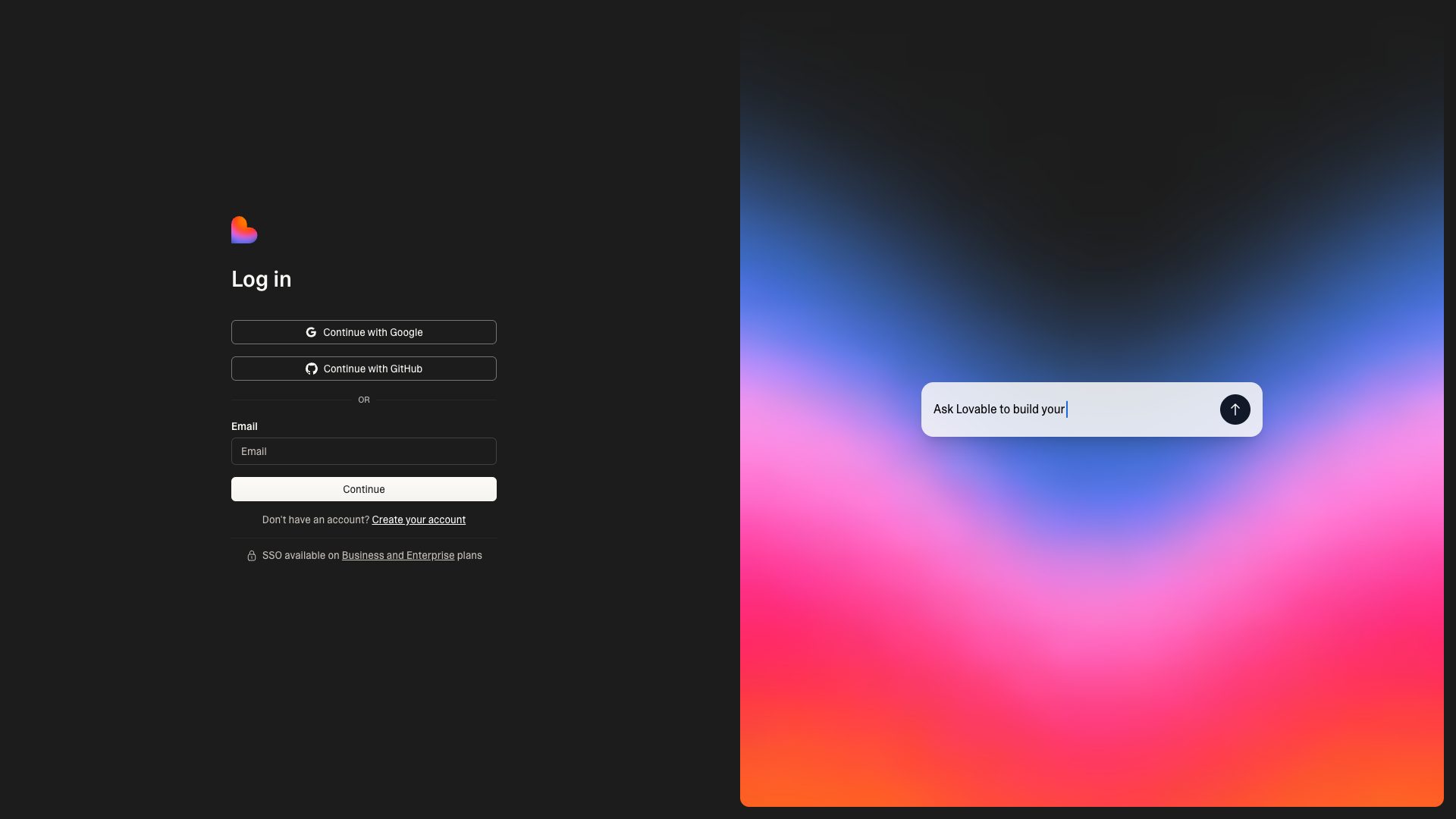
lovable.dev.products.nebula
lovable.dev.products.nebula
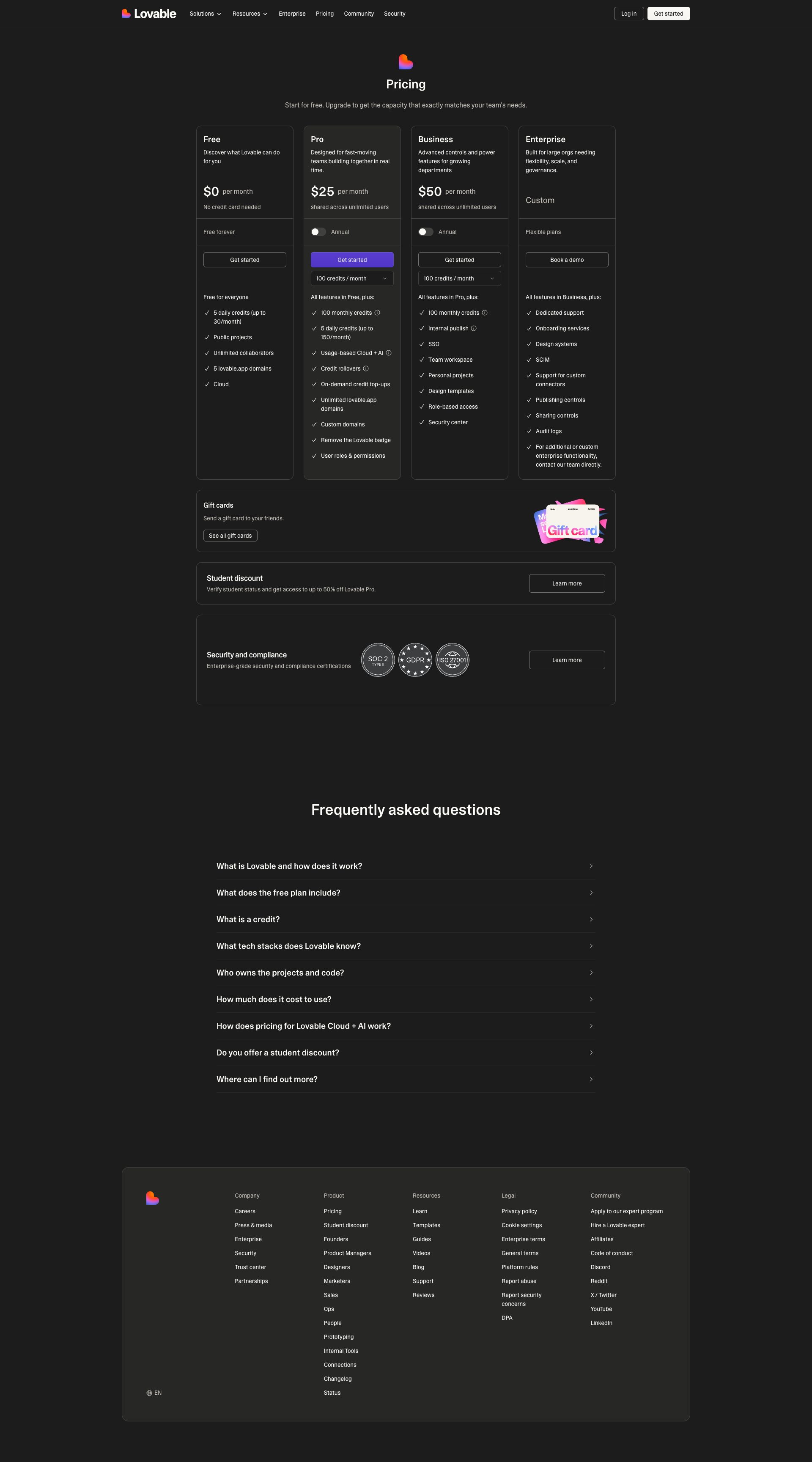
lovable.dev.products.nebula
Detected Issues · 38 total
1
Third-Party Data Sharing to Sentry Without Clear Consent
CRIT P9
Prompt to Fix
Action: Update Sentry integration in the Next.js app to minimize privacy impact. Implement a beforeSend hook to scrub PII (emails, usernames, IPs) from events, disable default PII collection (sendDefaultPii: false), and ensure cookies/authorization headers are not captured. Gate telemetry behind an explicit user consent toggle and document data practices in the privacy policy. Example outline: 1) configure Sentry.init with sendDefaultPii: false and a beforeSend that removes event.user, event.request.headers.cookie, and event.request.headers.authorization, and redact email-like strings in event.message. 2) Do not include PII in any URL or payload. 3) Add a privacy-consent toggle and only enable Sentry after consent. 4) Add tests to verify no PII remains in payloads before sending.
Why it's a bug
A client-side POST request is being sent to a third-party Sentry endpoint (ingest.us.sentry.io) for error/telemetry data. This constitutes external data sharing that can include user/session context. Without explicit consent indicators or robust data minimization, PII or sensitive context could be exposed to a third party, risking regulatory non-compliance and user trust.
Why it might not be a bug
Sentry is a common, legitimate error-tracking service; payloads may be non-PII if properly configured. If explicit consent is provided and data minimization is enforced, this may be acceptable. However, the trace shows no visible consent mechanism or minimization in the network calls.
Suggested Fix
Minimize and redact data sent to Sentry. Implement a beforeSend hook in the Sentry integration to scrub PII (emails, usernames, IPs) and remove sensitive headers. Disable default PII transmission (sendDefaultPii: false). Ensure cookies/authorization headers are not captured. Gate telemetry behind an explicit user consent toggle and document data practices in the privacy policy.
Why Fix
Reducing exposure of user data to a third-party service improves privacy, regulatory compliance, and user trust, and mitigates risk of data leaks through telemetry.
Route To
Frontend Engineer
Page
Tester
Pete · Privacy Networking Analyzer
Technical Evidence
Network:
POST https://o4506071217143808.ingest.us.sentry.io/api/4506071220944896/envelope/?sentry_version=7&sentry_key=58ff8fddcbe1303f19bc19fbfed46f0f&sentry_client=sentry.javascript.nextjs%2F10.28.02
AI/LLM endpoints invoked on page load without user consent
CRIT P9
Prompt to Fix
Actionable fix: Inspect the signup/login/AI widget component. Remove any immediate or unconditional calls to AI/LLM endpoints on page load. Implement a consent/activation flow for the AI feature (e.g., a modal or toggle) and load the AI widget only after user clicks 'Enable AI Assistant' or interacts with the widget. Move AI calls behind a feature flag and ensure requests include user consent and appropriate data minimization. Add error handling for AI requests and log any privacy-impacting events with user-visible notices.
Why it's a bug
Console logs explicitly indicate AI/LLM endpoints detected on page load (AI/LLM ENDPOINT DETECTED), and there is an on-screen chat prompt suggesting LLM interaction (Ask Lovable to build...). This implies that AI features are being invoked or prepared before explicit user interaction or consent, creating privacy and data leakage risks and potential performance issues.
Why it might not be a bug
It could be a deliberate pre-warming or an always-on chat feature; without source code, it’s hard to confirm intention. However, visible indicators strongly suggest AI calls occur without user action.
Suggested Fix
Defer all LLM/AI calls until the user explicitly interacts with the AI widget or grants consent. Add a clear consent toggle or modal before any data is sent to AI endpoints. Implement lazy-loading for the AI widget and ensure endpoints are behind feature flags and properly rate-limited. Remove any eager fetch/prefetch of AI models on initial paint.
Why Fix
Prevent potential data leakage, improve performance, and align with user expectations around consent for AI-powered features.
Route To
Frontend Engineer / Security Engineer
Page
Tester
Jason · GenAI Code Analyzer
Technical Evidence
Console:
[⚠️ AI/LLM ENDPOINT DETECTED]
⚠️ AI/LLM ENDPOINT DETECTED
Network:
N/A (network logs show AI endpoint detection messages but no explicit URL in the provided snippet)3
Missing cache headers on critical static assets
CRIT P9
Prompt to Fix
Update the Next.js/CDN configuration to serve all /_next/static/*, manifest.webmanifest, and font files with proper Cache-Control: max-age and immutable where appropriate. Enable gzip/Brotli compression and verify that the assets are fingerprinted for long-term caching. After changes, revalidate with a cache headers check and ensure the resources have explicit caching rules.
Why it's a bug
Several important static resources (CSS chunks, manifest, and font files) are reported as missing cache headers, which can lead to repeated downloads on subsequent visits and slower repeat page loads, negatively impacting LCP and overall user experience.
Why it might not be a bug
If resources are dynamically generated per request or have versioned query strings, some caching may be overridden; however, the screenshot clearly flags missing cache headers for multiple assets.
Suggested Fix
Configure server/CDN to attach appropriate Cache-Control headers (e.g., max-age with immutable for fingerprinted assets), enable compression (gzip/Brotli), and ensure consistent ETag/Last-Modified usage for /_next/static/*, fonts, and manifest.webmanifest.
Why Fix
Caching reduces redundant network transfers, speeds up repeat loads, improves LCP, and reduces data usage, especially on mobile networks.
Route To
Backend/DevOps + Frontend
Page
Tester
Tariq · Performance Specialist
Technical Evidence
Console:
[DEBUG] JSHandle@errorNetwork:
https://lovable.dev/_next/static/chunks/1e687e32f4f17f67.css?dpl=dc5974b1d3364da313fd2b41e61f010a - Status: 200 ⚠️ MISSING CACHE HEADERS